My Cryo Firm integrates superconducting magnets into dry cryostats for experiments requiring low temperature, optical access, and magnetic-field capability. From compact solenoids to split-pair and vector magnets, our portfolio includes a wide range of standard configurations for different field strengths, sample spaces, optical geometries, and wiring requirements.
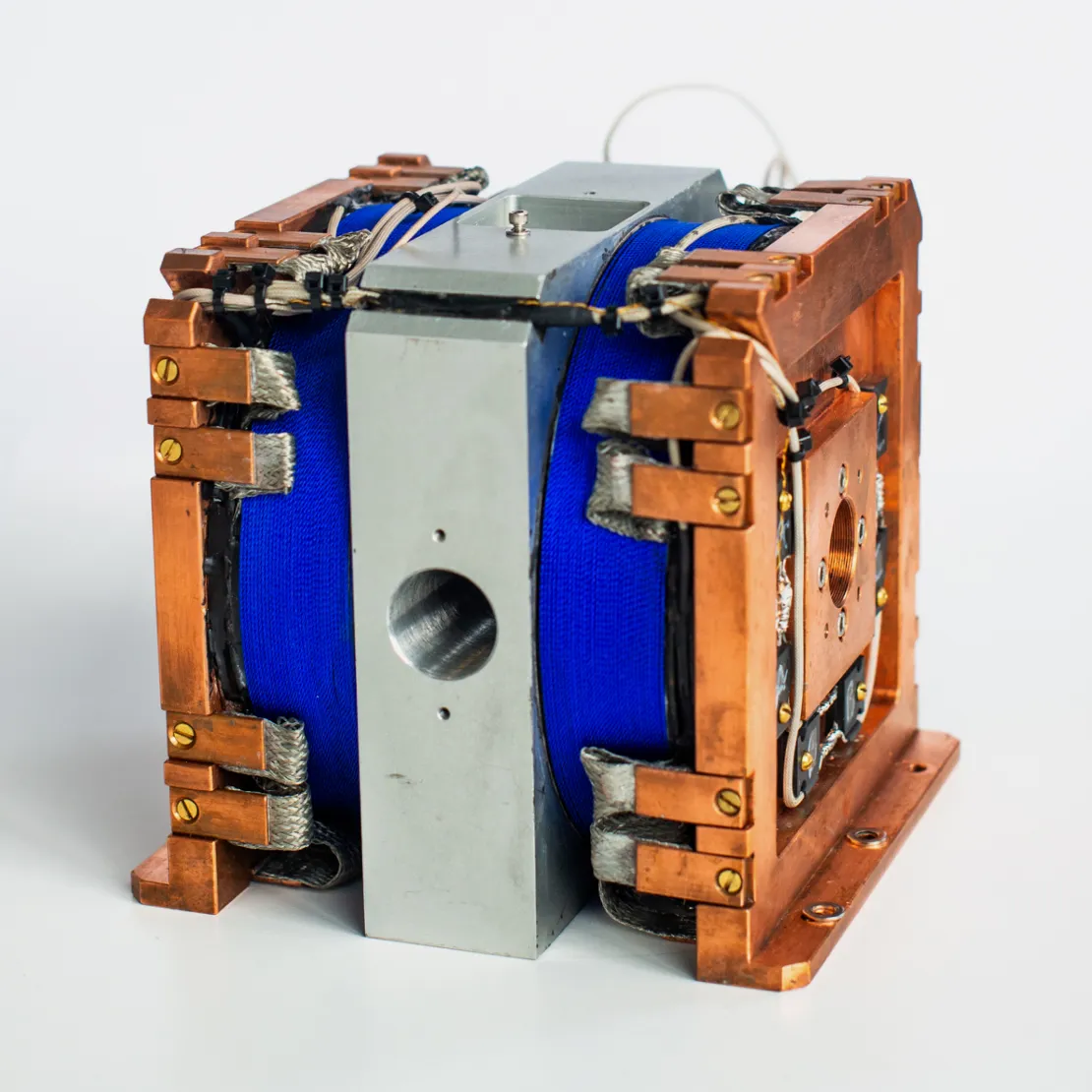
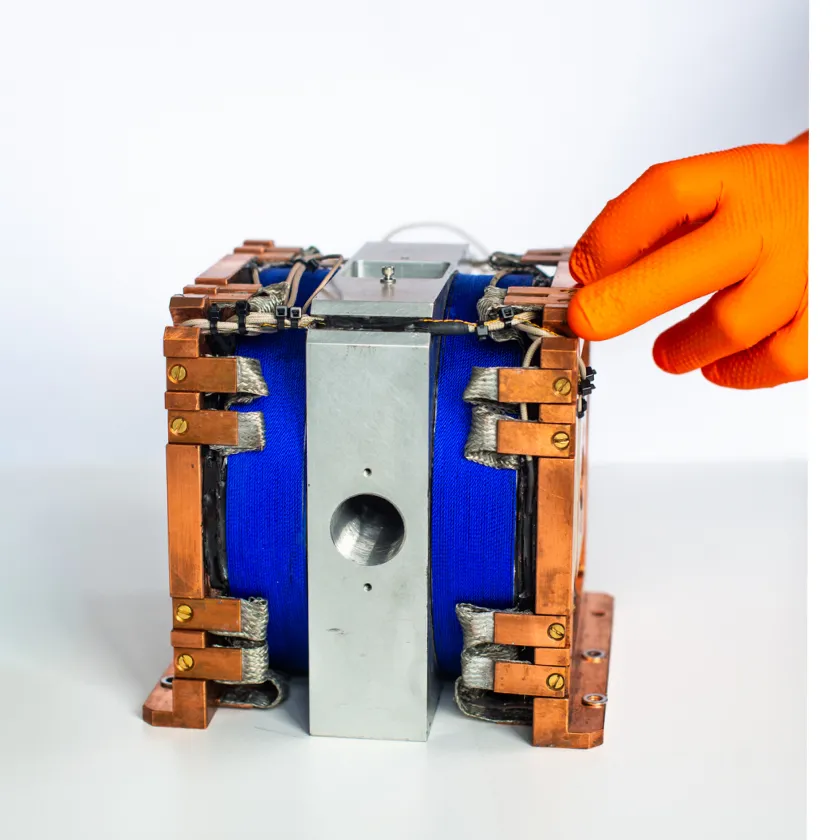
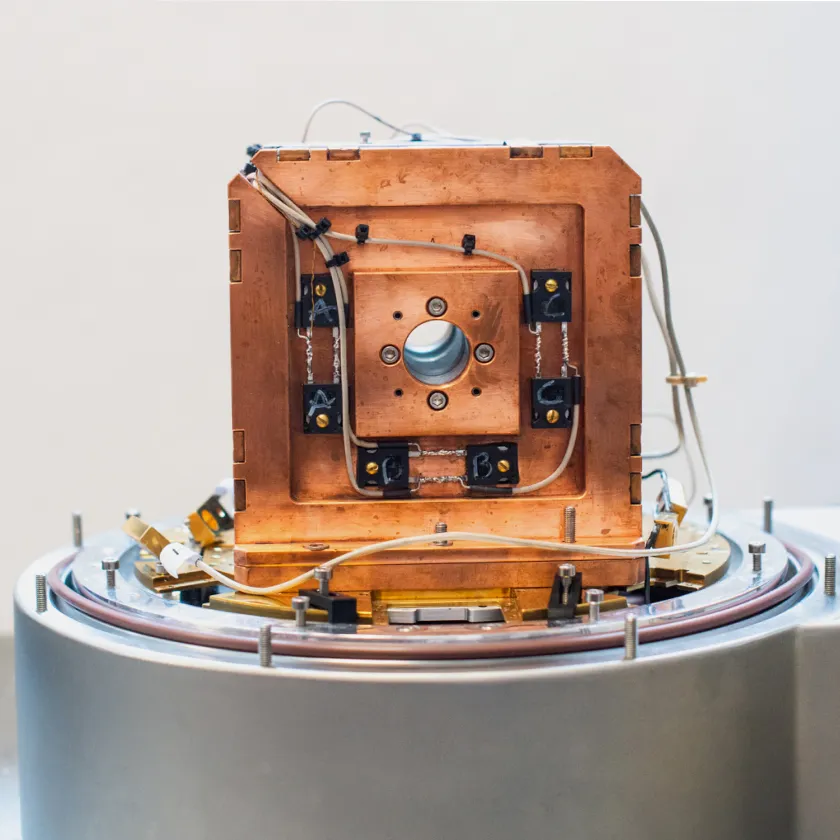
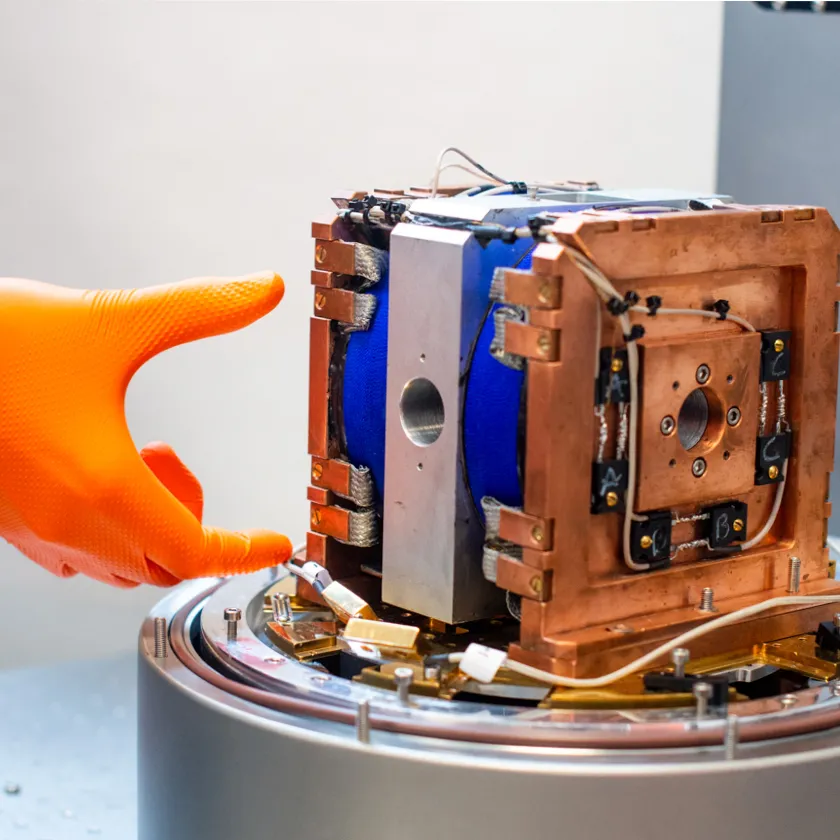
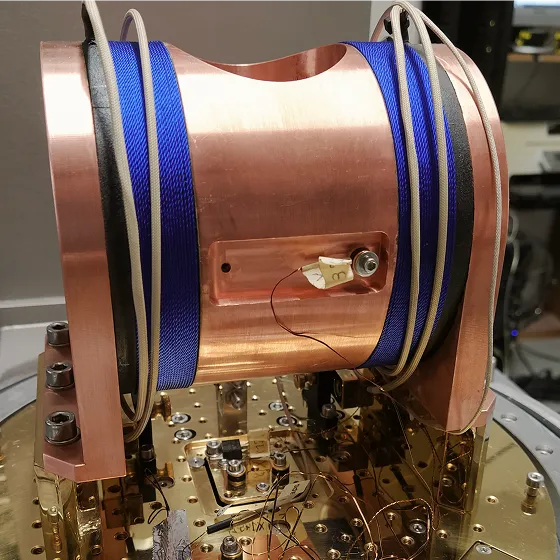
7 T split-pair magnet, 26 mm clear vertical bore
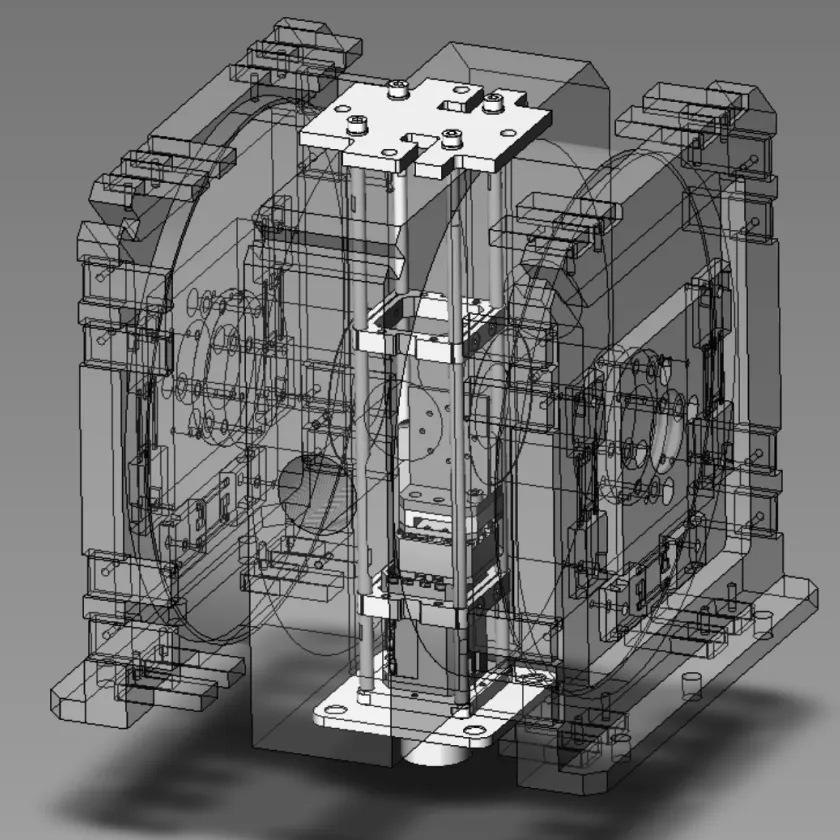
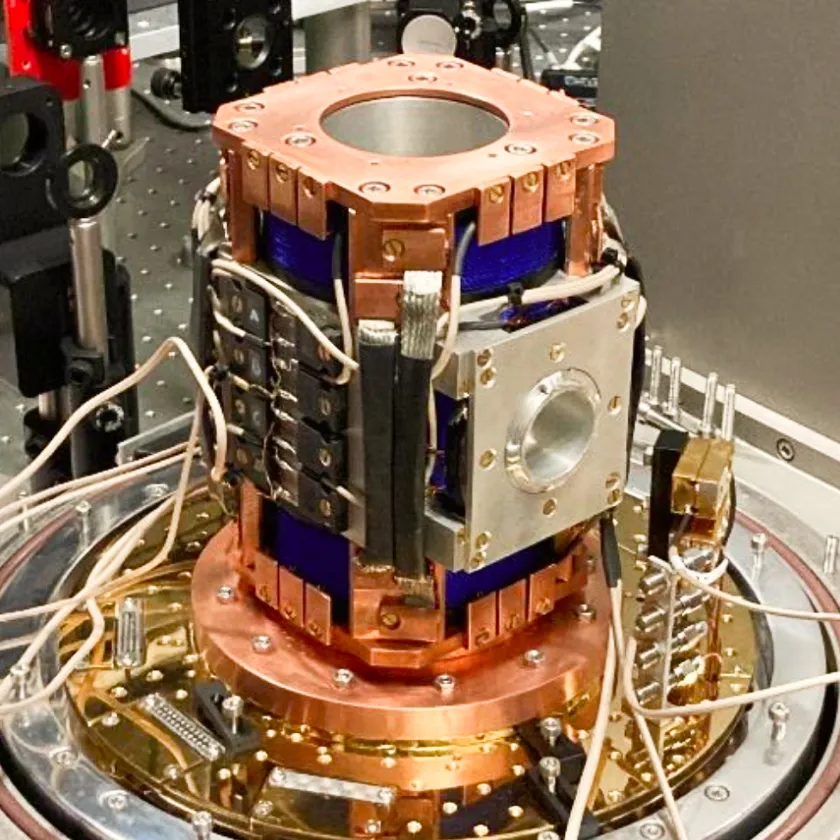
7 T split-pair magnet, 1 inch clear horizontal bore
Solenoid, split-pair, large-bore, and vector magnet configurations
Integration into OptiDry 250, OptiDry 375, and TowerDry platforms
Optical clear bores and custom sample access
Low working distance configurations available
Optional support for lenses and piezo positioning
Large-bore and multi-axis magnetic-field options
Compatibility with cage systems and cryogenic positioning stages
Magnet configurations
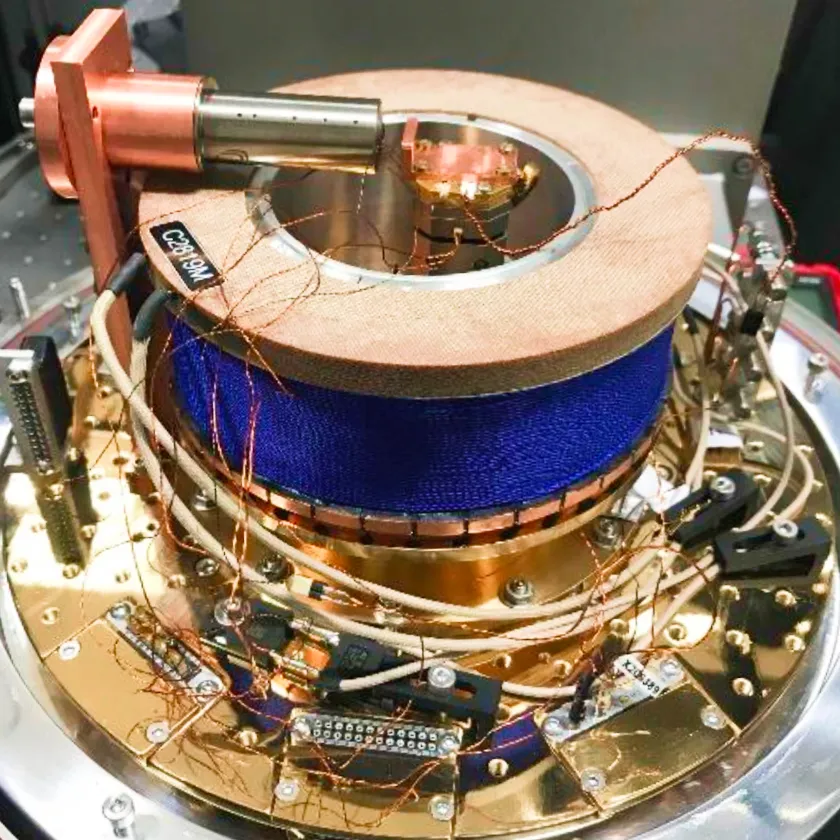
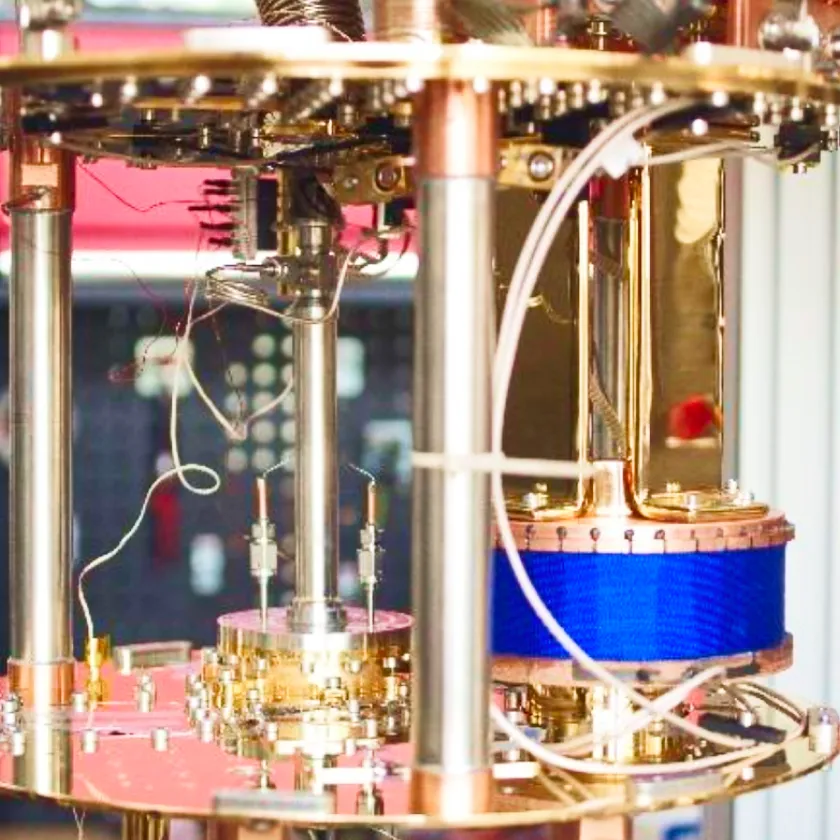
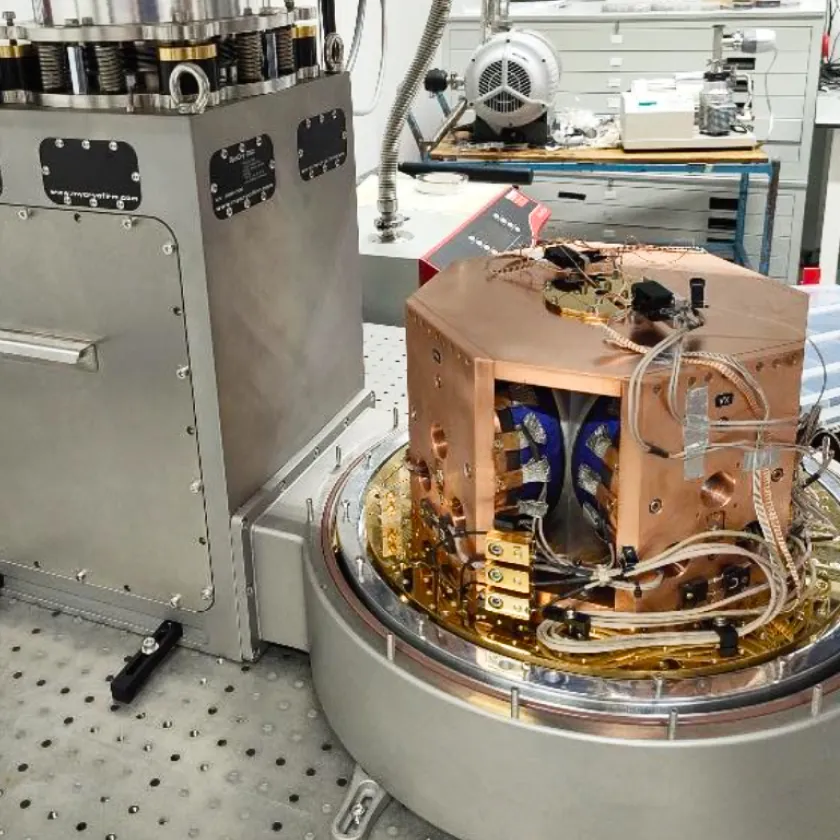
3 T solenoid magnet integrated into a TowerDry 1K
Solenoid magnets
Solenoid magnets are suitable for experiments requiring a magnetic field along a single main axis. They are often selected when compact integration, high field, or axial field geometry is the main priority. Configurations are available with fields up to 9 T, depending on bore size, cryostat platform, and sample-space requirements.
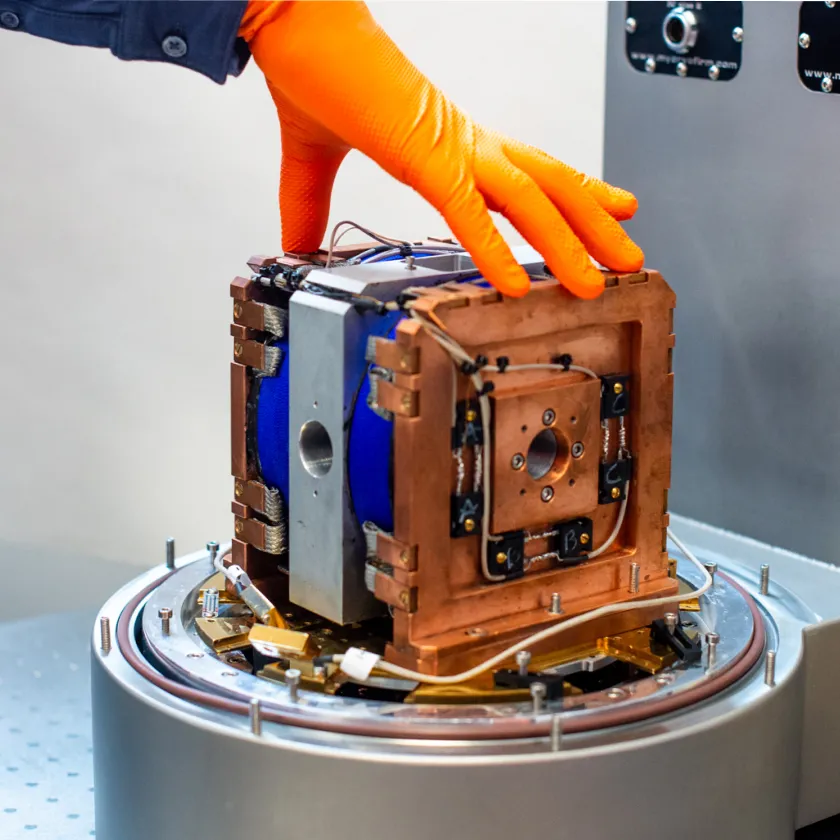
7 T split-pair magnet
2 T split-pair magnet with a 60 mm vertical bore
Split-pair magnets
Split-pair magnets provide magnetic-field capability while preserving optical access through the magnet.
In the OptiDry 250, split-pair configurations can be integrated on the 4 K breadboard, with optical clear bores designed to bring optical elements close to the sample. Standard field configurations include 1 T, 2 T, 5 T, and 7 T options.
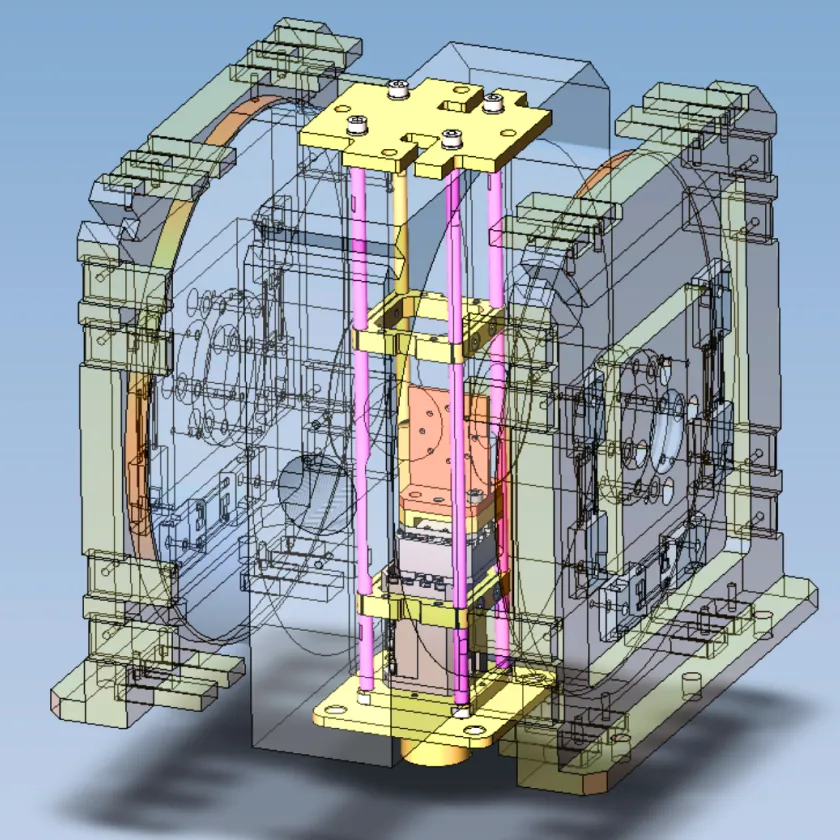
Large-bore configurations are also available for experiments requiring increased sample space or larger optical and mechanical access. Example configuration • 7 T split-pair magnet with optical clear bores for close optical access to the sample. Key specifications: • ±7 T magnetic field • 0.5% over 10 mm around the magnet center • 1" clear aperture along and perpendicular to the field • 1.5" vertical bore for sample access and piezo motor mounting
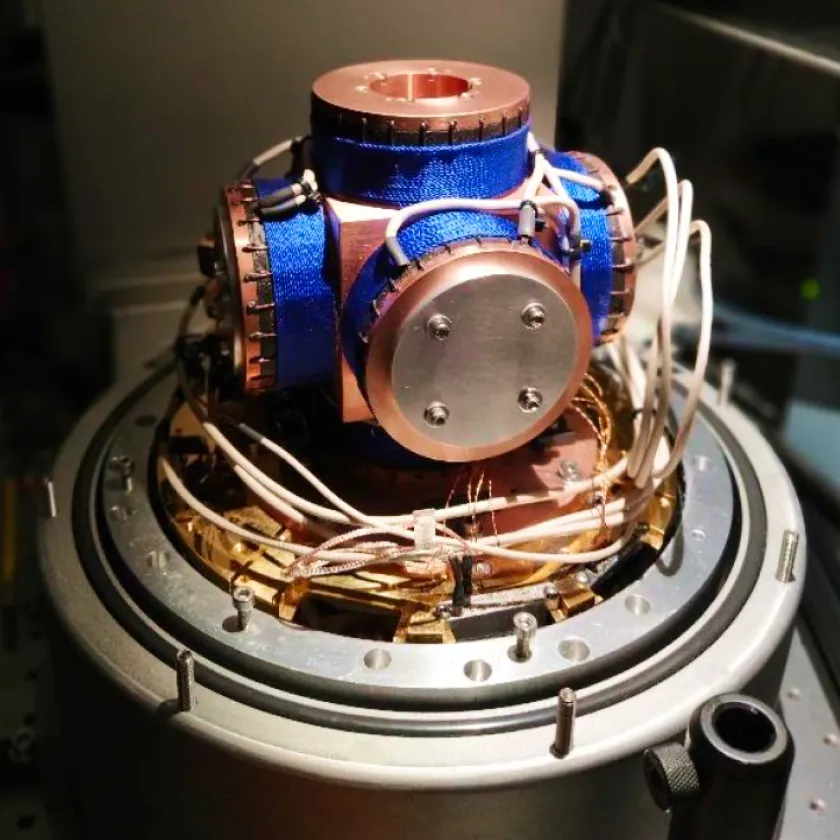
3 × 0.5 T vector magnet
Vector magnets
Vector magnets allow magnetic fields to be applied along multiple axes, enabling advanced control of the sample magnetic-field environment.
Compact vector magnets can be integrated into OptiDry 250 platforms, while larger vector configurations are available in OptiDry 375 depending on field strength, access, and sample space requirements.
Example configurations • 3 × 0.5 T vector magnet in OptiDry 250 • 5/1/1 T vector magnet in OptiDry 375, with 1" clear optical access in X/Y and 1.5" vertical aperture
Sample space & optical access
Magnet integration can be tailored to your field requirements, sample space, optical access and working distance.
Available integration options include:
Horizontal or vertical optical access
Large-bore sample environments
Compact high-field geometries
Custom sample holders
Thermalized wiring and RF lines
Motorized positioning stages
Magnet-compatible cage systems
Low working distance with room-temperature optics
Cage system & motorized sample integration
Dedicated cage systems can be designed to integrate optical components, sample holders, and cryogenic positioning stages inside the magnet environment. PCN24 piezo motors, or other compatible low-temperature positioning solutions, can be integrated when the experiment requires in situ sample motion under magnetic field.
This makes it possible to combine magnetic-field capability, optical access, and sample positioning within the same cryogenic platform.
Typical configurations
Solenoid magnet
OptiDry 250 and TowerDry
Compact single-axis magnetic field up to 9 T
Split-pair magnet
OptiDry 250, TowerDry
Magnetic field with optical clear bores up to 7 T
Large-bore magnet
OptiDry 250
Larger sample space and increased optical or mechanical access
Vector magnet
OptiDry 250 and OptiDry 375
Multi-axis magnetic-field control up to 5/1/1 T

Need a magnetic-field configuration for your experiment?
Tell us about your target field, sample size, optical access, wiring needs, and temperature range.
Our team will help identify the magnet geometry and cryostat configuration best suited to your setup.